In this article
Minor injuries happen in every household — a kitchen cut, a scraped knee, a small burn from the stove or a twisted ankle on the stairs. Having a well-organized first aid kit means you can respond quickly and calmly, without searching through drawers for a bandage. A kit is not a substitute for medical care, but it can help you manage minor injuries and keep someone comfortable while you arrange further help.
Wound care basics
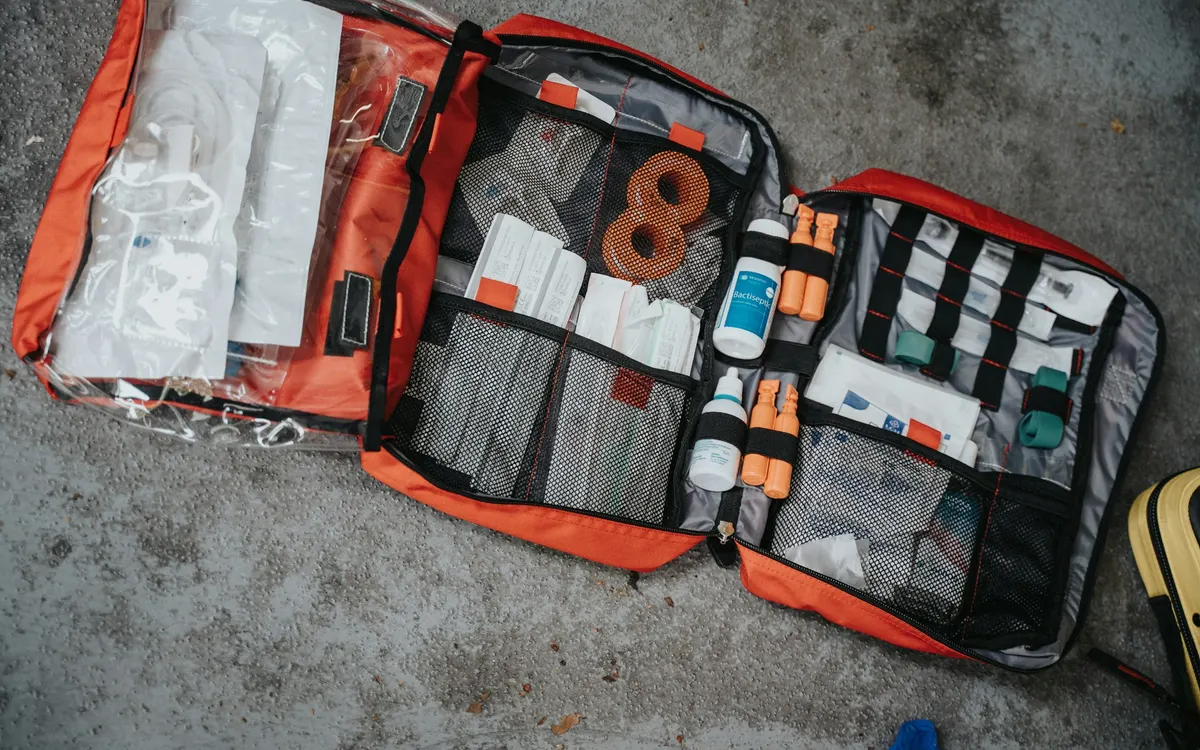
Most of the injuries a home kit is used for are small cuts and scrapes, so wound care supplies form the core of any kit. Organizations such as the American Red Cross publish recommended checklists, and most include the following items:
- Adhesive bandages in a range of sizes, including fingertip and knuckle shapes.
- Sterile gauze pads in several sizes.
- A roll of gauze or conforming bandage for wrapping.
- Adhesive medical tape.
- Non-stick (non-adherent) dressings for wounds that might stick to gauze.
- Antiseptic wipes or a wound-cleaning solution.
- Butterfly closures or wound closure strips for small, clean cuts.
- An elastic bandage for wrapping sprains and securing dressings.
- A triangular bandage, which can be used as a sling.
Tools and protective items
A few simple tools make first aid easier and more hygienic, both for the person helping and the person being helped.
- Disposable gloves (nitrile gloves are a good choice for people with latex sensitivities).
- Blunt-tip scissors for cutting tape and dressings.
- Tweezers for removing splinters.
- A digital thermometer.
- Instant cold packs.
- A CPR face shield or barrier mask.
- An emergency (foil) blanket.
- Hand sanitizer.
- A small flashlight with spare batteries.
- Resealable plastic bags for disposing of used supplies.
Personal and household items
Every household is different. Tailor your kit to the people who live with you, and ask your healthcare provider or pharmacist if you are unsure what to include.
- Any personal medications or supplies your household relies on, as directed by your healthcare provider.
- Over-the-counter products your household commonly uses, stored in original packaging with directions — ask your pharmacist which products are appropriate for each family member.
- A written list of household members' medications, allergies and medical conditions.
- Emergency phone numbers, including your doctors, the Poison Help line (1-800-222-1222) and a neighbor or relative.
- A basic first aid guide or instruction card.
General steps for minor cuts and scrapes
For a small, shallow cut or scrape, general first aid guidance typically follows a few simple steps. If a wound is deep, gaping, caused by an animal or rusty object, or will not stop bleeding, seek medical care.
- Wash your hands and put on disposable gloves if available.
- Apply gentle, steady pressure with clean gauze to stop minor bleeding.
- Rinse the wound with clean running water to remove dirt.
- Cover the wound with an appropriate sterile dressing or bandage.
- Change the dressing if it becomes wet or dirty.
- Watch for signs of infection such as increasing redness, warmth, swelling, pus or fever, and contact a healthcare provider if they appear.
Tailoring your kit to your household
A basic kit covers the most common injuries, but it is worth thinking about the specific people and activities in your home. Households with young children may want child-sized bandages and a thermometer suited to children. Homes with older adults or people with limited mobility may benefit from extra non-stick dressings, skin-friendly tape and gloves. If anyone in the household has severe allergies, diabetes or another condition that requires specific supplies, ask their healthcare provider what should be kept on hand and make sure other adults know where to find it and how to use it.
Where to keep your kit
Store your main kit somewhere cool, dry and easy to reach — a kitchen cupboard or hall closet is often better than a steamy bathroom, where humidity can damage supplies. Make sure every adult in the home knows where it is, and keep it out of reach of young children.
- Consider a smaller kit for the car, and another for travel or outdoor activities.
- Use a durable, clearly labeled container with compartments so items are easy to find.
- If someone in the home has specific care needs, keep their supplies together in a clearly marked section.
Keeping your kit ready
A first aid kit is only useful if it is stocked when you need it. Supplies get used and not replaced, and some items expire or degrade over time.
- Check your kit every few months — pairing it with a routine event such as changing smoke alarm batteries can help you remember.
- Replace anything that has been used, damaged or has passed its expiration date.
- Check that sterile packaging is intact.
- Test flashlight batteries and replace cold packs that have been activated.
- Update the medication and emergency contact lists whenever something changes.
The best time to organize a first aid kit is before anyone needs it.
Build your skills, too
Supplies are only part of preparedness. A first aid and CPR course — offered by organizations such as the American Red Cross and the American Heart Association, as well as many community centers — can give you the confidence to act calmly when it matters. If you care for someone with specific medical needs, ask their care team about any additional training or supplies that would be helpful to have at home.
Our team can help you restock gauze, dressings, tape, gloves and other wound care supplies. For advice about treating a specific injury or wound, speak with your healthcare provider.
- first aid
- wound care
- home safety
- emergency preparedness
- bandages