In this article
If a doctor has recommended a walker, wheelchair, hospital bed or other equipment for use at home, you may have heard the term durable medical equipment, or DME. Understanding what DME is — and how insurance plans generally approach it — can help you ask the right questions and avoid surprises. This article is a general primer. It does not describe any specific plan, and it is not a promise of coverage.
What is durable medical equipment?
Durable medical equipment generally refers to equipment that is designed to withstand repeated use, serves a medical purpose, is appropriate for use in the home, and is usually not useful to someone who is not sick or injured. Exact definitions vary between insurers and programs, so an item considered DME by one plan may be treated differently by another.
Examples of items that are commonly discussed as DME include:
- Mobility equipment such as canes, crutches, walkers, rollators and wheelchairs.
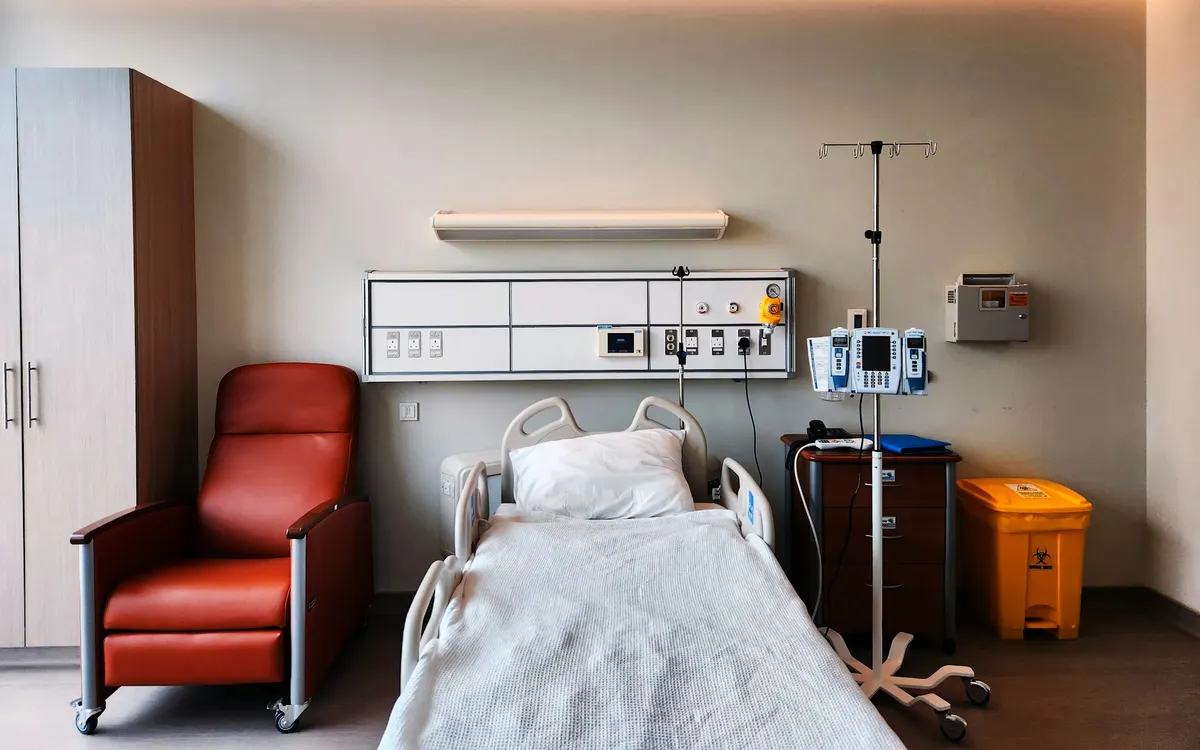
- Hospital beds and certain pressure-relief mattresses.
- Patient lifts and some transfer equipment.
- Bedside commodes.
- Certain respiratory equipment, such as nebulizers and some oxygen equipment.
- Some home monitoring devices.
Disposable supplies — such as gauze, gloves or incontinence products — are usually categorized separately, and many plans treat them under different rules. Some bathroom safety items, such as grab bars or shower chairs, may be considered convenience items by some plans.
How insurance generally approaches DME
When a plan includes a DME benefit, it typically sets conditions that must be met before it will consider paying for an item. While the details vary, these conditions commonly involve:
- A prescription or order from a qualified healthcare provider.
- Documentation of medical need, often in the provider's records.
- Use of a supplier that is enrolled with or in network for the plan.
- Prior authorization for certain items before they are delivered.
- Your plan's deductible, copayment or coinsurance.
- Rules about how often an item can be replaced.
Because these requirements differ so widely, the most reliable information will always come from your plan's member services team and your healthcare provider's office.
Questions to ask your insurance plan
Before ordering equipment you hope insurance will help with, call the member services number on your insurance card. Write down the date, the name of the representative and a reference number for the call.
- Does my plan include a durable medical equipment benefit, and does this specific item fall under it?
- What documentation is required from my healthcare provider?
- Is prior authorization required? How long does it usually take?
- Do I need to use a specific or in-network supplier?
- What will my out-of-pocket cost be after my deductible, copay or coinsurance?
- Is the item rented or purchased under my plan, and for how long?
- Who is responsible for repairs, maintenance and replacement?
Rental versus purchase
Some equipment is commonly rented rather than purchased, particularly higher-cost items or items needed for a limited time during recovery. Depending on the plan and the item, rental may continue for a set period, after which ownership may or may not transfer. If you are paying out of pocket, compare the total expected cost of renting against buying, and consider how long you are likely to need the item.
HSA and FSA considerations
Health Savings Accounts (HSAs) and Flexible Spending Accounts (FSAs) can often be used for qualified medical expenses, which may include some medical equipment and supplies. Eligibility depends on the item, IRS rules and your account administrator's policies, and some items may require a letter of medical necessity. Check with your plan or account administrator before purchasing, and keep itemized receipts.
When you pay out of pocket
Many people choose to purchase equipment directly — for example, when an item is not covered, when they want a different model than their plan provides, or when they need it quickly. If you pay out of pocket, you can still ask your healthcare provider or therapist which features matter most, compare specifications such as weight capacity and dimensions, and ask the supplier about warranties and return policies.
Delivery, setup and training
Larger equipment such as hospital beds, patient lifts and some wheelchairs may need to be assembled, adjusted or fitted. Before delivery, measure doorways, hallways and the space where the item will be used. Ask the supplier whether assembly is included, what the delivery window is and who to contact if something arrives damaged. For equipment such as patient lifts or power mobility devices, ask the care team whether training is recommended before first use, and keep the user manual somewhere easy to find.
Keeping good records
- Keep copies of prescriptions, orders and any letters of medical necessity.
- Save itemized receipts, delivery confirmations and warranty information.
- Record the details of every call with your insurer.
- Keep the user manual and note the model and serial number for future repairs or parts.
Ask before you order: a few questions to your plan can prevent unexpected costs later.
How we can help
Our team can help you understand product specifications, provide itemized documentation for your records and answer questions about our ordering process. We are not able to determine or guarantee insurance coverage, eligibility or reimbursement. Speak with your healthcare provider about which equipment is appropriate for you, and contact your insurance plan to confirm your benefits.
- durable medical equipment
- DME
- insurance
- HSA/FSA
- medical equipment